
African American History in Griffin Georgia |
Explore the black lives matter movement and civil rights movement through local events and struggles |
Griffin, Georgia, a city with a rich tapestry of African American history, has been a focal point for both the civil rights movement and the Black Lives Matter movement.
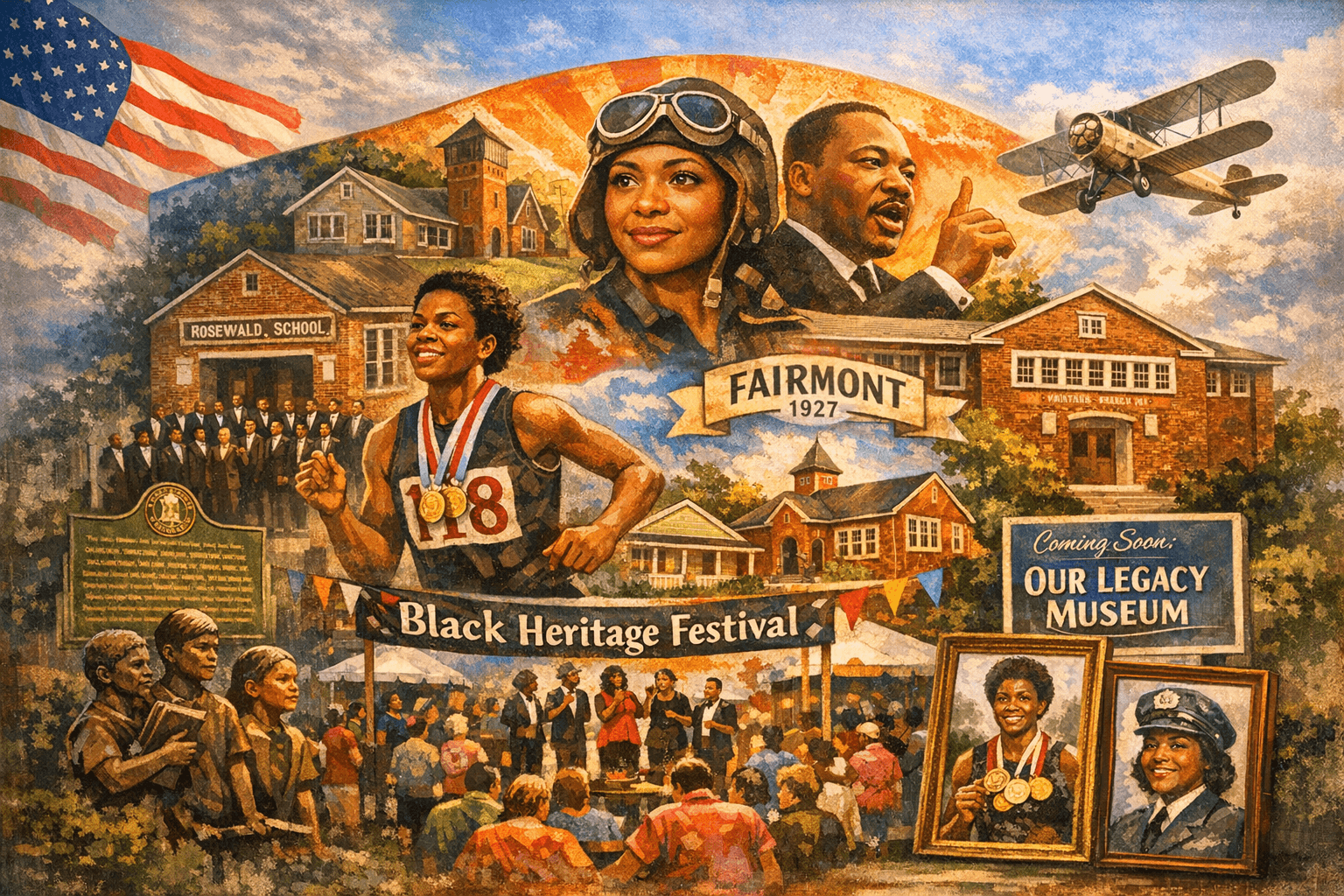
The Fairmont community, established in 1927, was the first neighborhood in Griffin where African Americans could purchase land and build homes. This area became a hub for education and cultural development, notably with the construction of a Rosenwald School in 1929, funded by the collaborative efforts of Booker T. Washington and Julius Rosenwald. These schools were instrumental in providing quality education to African American children during a time of segregation.
In recent years, Griffin has embraced its African American heritage through various events and initiatives. The Black Heritage Festival, initiated in 2014, celebrates the contributions of African Americans to the community. The 2024 festival featured performances by the Morehouse Glee Club, Griffin Choral Arts, and local high school choral programs, with proceeds supporting choral arts education.
The city also honors its notable African American figures. A vibrant mural in downtown Griffin pays tribute to Janet Harmon Bragg, the first Black woman to earn a commercial pilot’s license. Additionally, the Griffin-Spalding Athletic Hall of Fame features local sports heroes, including three-time Olympic gold medalist Wyomia Tyus.
The Our Legacy Museum, set to open in 2026, aims to present the inspiring historical and cultural experiences of Griffin-Spalding’s African American community. Housed within the historic Rosenwald School building, the museum will offer in-depth insights into the resilience and achievements of the local African American community. Griffin's commitment to preserving and celebrating its African American history reflects a broader dedication to acknowledging and honoring the struggles and triumphs of its Black community. Through festivals, murals, and museums, the city continues to educate and inspire residents and visitors alike. |
0 Comments
Join the conversation
Be the first to comment
Share your thoughts above.